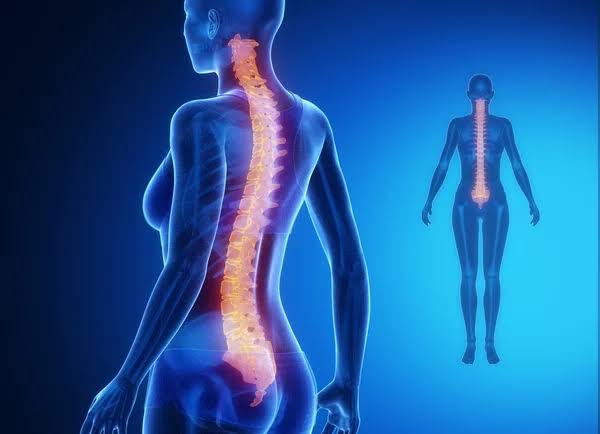
Spinal Cord Injury Rehab
Long-term intensive neuro-rehabilitation focused on functional independence, standing support, gait retraining, and progressive muscle re-education.
Advanced SCI Neurological Rehab
A Spinal Cord Injury (SCI) involves damage to the spinal cord, resulting in a temporary or permanent loss of sensory and motor functions below the site of injury. Depending on whether the injury is cervical, thoracic, or lumbar, it leads to varying degrees of paraplegia (paralysis of legs) or quadriplegia (paralysis of arms and legs).
At Shri Shanti Physiotherapy Center, Dr. Pawan Yogi provides intensive neurological rehabilitation programs. We use specialized motor re-education protocols, passive and active mobilization, neuromuscular electrical stimulation, and coordinate exercises to maximize neural plasticity, prevent joint stiffness, and help patients achieve maximum functional independence.
Rehabilitation Focus Areas
- Muscle re-education & nerve activation
- Contracture prevention & joint stretching
- Wheelchair training & transfer skills
- Gait training & assistive walking
Our Treatment Process
Neuro Assessment
Grading spinal cord injury level, testing sensations, muscle reflex markers, and key motor limits.
Atrophy Block
Starting passive range of motion stretches and electrical muscle stimulation to prevent wasting.
Neuro-Facilitation
Utilizing specific PNF (neuromuscular stimulation) patterns to trigger brain nerve connection firing.
Independence Care
Training core stability, upper body transfer power, balance postures, and gait re-education.
Frequently Asked Questions
Can patients walk again after a spinal cord injury?
Recovery depends on whether the injury is 'complete' (total nerve cutoff) or 'incomplete' (some nerve fibers intact). Many incomplete SCI patients achieve standing or assisted walking, while complete SCI patients focus heavily on upper-body strength and wheelchair mobility independence.
How does physiotherapy help prevent joint contractures?
Due to lack of movement, paralyzed muscles and tendons shorten over time, locking joints (contractures). Structured daily passive stretching and range-of-motion therapy ensure tissue length is maintained for future recovery potential.
How long should spinal cord injury rehabilitation continue?
Rehabilitation begins immediately post-injury and continues intensively for the first 12 to 24 months, which is the window of maximum neurological healing. Maintenance physical therapy is recommended long-term to prevent secondary complications.
Ready to Start Your Recovery Journey?
Schedule a free consultation session with Dr. Pawan Yogi on WhatsApp and get direct expert advice today.
Book Free Consultation Now