Paralysis Recovery and Rehabilitation: Restoring Hope and Mobility
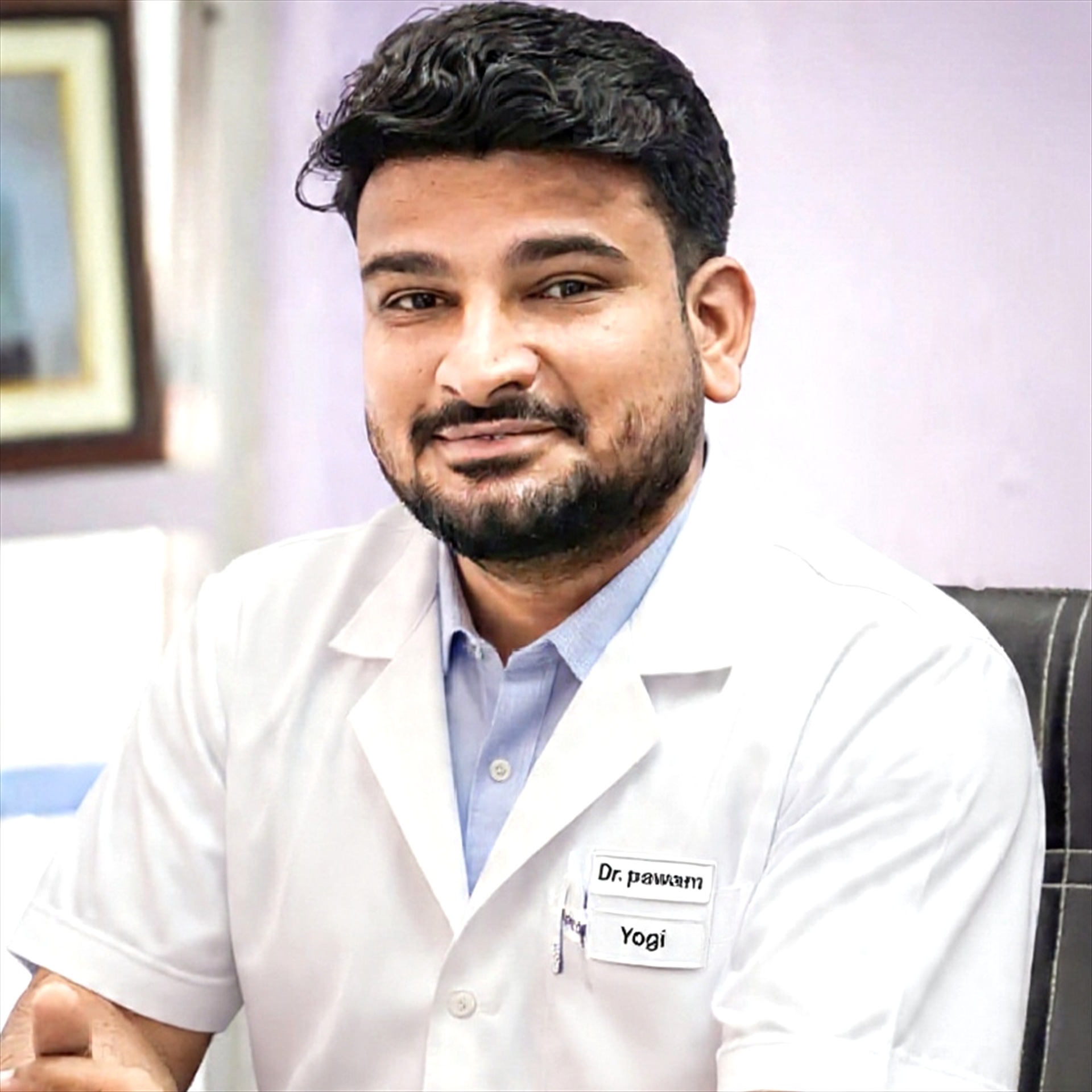
Dr. Pawan Yogi
MPT (Neurology) | Neuro Rehabilitation Specialist
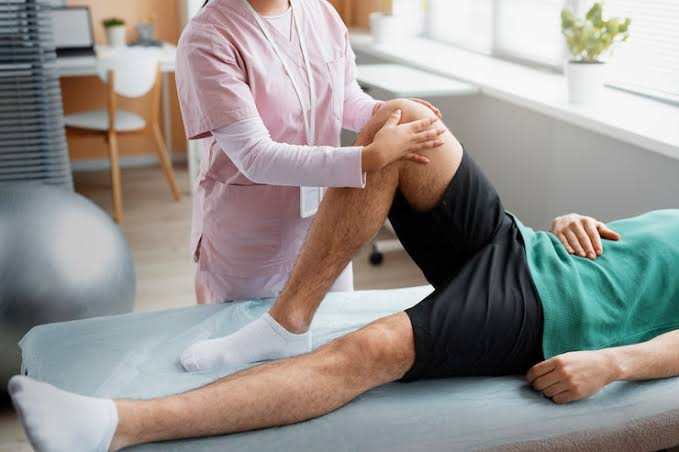
Paralysis is one of the most challenging diagnoses a patient and their family can face. Defined as the loss of muscle function in a part of the body, paralysis often occurs due to nervous system disruption. However, the brain has an incredible ability to adapt and rewire itself—a process known as neuroplasticity.
At Shri Shanti Physiotherapy Center (often typed as shri shanti physiothay clinic), we specialize in intensive neurological rehabilitation. Under the direct leadership of Dr. Pawan Yogi, who holds an MPT in Neurology and is certified in advanced neurological approaches, we assist patients in reclaiming muscle power and regaining physical independence.
Understanding the Types and Causes of Paralysis
Paralysis can affect single muscles, localized regions, or entire limbs. The primary classifications include:
- Monoplegia: Paralysis affecting a single limb (arm or leg).
- Hemiplegia: Paralysis affecting one side of the body (common after a stroke).
- Paraplegia: Paralysis affecting both legs and sometimes parts of the trunk, typically due to lower spinal cord injury.
- Quadriplegia (Tetraplegia): Paralysis affecting all four limbs and the torso, often caused by high cervical spinal injuries.
The leading triggers behind paralysis include **brain strokes** (ischemic or hemorrhagic), spinal cord injuries, trauma, cerebral palsy, and peripheral nerve injuries (like Bell's Palsy or facial paralysis).
The Power of Neuroplasticity in Recovery
For a long time, it was believed that brain damage was permanent. Modern science has disproven this through **Neuroplasticity**. If a portion of the brain is damaged due to a stroke, other healthy parts of the brain can learn to take over those tasks.
However, neuroplasticity doesn't happen automatically. It requires structured, repetitive, and task-specific sensory stimulation. This is where professional neuro-rehabilitation plays a critical role.
Our Advanced Rehabilitation Protocol
Under Dr. Pawan Yogi’s guidance, our neurological recovery program is highly customized:
- Proprioceptive Neuromuscular Facilitation (PNF): A specialized therapy that uses diagonal movement patterns and sensory inputs to stimulate dormant motor pathways, restoring coordinated movement.
- Constraint-Induced Movement Therapy (CIMT): Restraining the unaffected limb to force the brain to use and reconnect with the affected limb.
- Task-Oriented Training: Practicing functional daily tasks (like holding a glass, standing up, or buttoning a shirt) to rebuild motor pathways in the brain.
- Gait Training and Balance: Using parallel bars, balance boards, and sensory exercises to restore walking patterns and reduce the risk of falls.
- Passive & Active Range of Motion: Preventing joint stiffness (contractures) and muscle wasting in early recovery stages.
The Golden Period of Stroke Recovery
The first **3 to 6 months** after a stroke or neurological trauma is considered the "Golden Period." This is when the brain's neuroplasticity is at its peak. Initiating professional physiotherapy during this stage exponentially increases the chances of complete recovery.
Why Choose Shri Shanti for Neuro Rehabilitation?
Neurological recovery requires deep expertise and immense patience. Dr. Pawan Yogi holds a specialized Master of Physiotherapy (MPT) in Neurology. At Shri Shanti Physiotherapy Center, Station Chungi Road, Chirawa, we possess the specialized infrastructure, parallel bars, and patient lifters necessary for safe, intensive, and professional stroke and paralysis recovery programs.
Every Step Forward Counts
Looking for expert paralysis recovery care or stroke rehabilitation? Contact Dr. Pawan Yogi for a comprehensive evaluation today.