Non-Surgical Recovery for Slip Disc (PIVD): What You Need to Know

Dr. Pawan Yogi
MPT (Neurology) | Spine Rehabilitation Expert
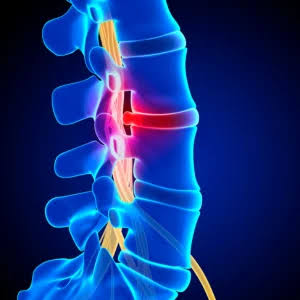
Being diagnosed with a "slip disc" or PIVD (Prolapsed Intervertebral Disc) can be terrifying. Many patients immediately assume that a spinal surgery is inevitable. However, medical statistics show that over 90% of slip disc cases can be successfully managed and resolved through structured physical rehabilitation.
At Shri Shanti Physiotherapy Center (searched as shri shanti physiothay clinic), we utilize evidence-based spinal decompression and therapeutic exercises. Led by **Dr. Pawan Yogi**, we provide non-invasive care to relieve nerve pressure and promote the natural resorption of the prolapsed disc tissue.
What Actually is a Slip Disc (PIVD)?
Your spinal column is made of vertebrae separated by rubbery cushions called intervertebral discs. These discs act as shock absorbers. Each disc has a tough, fibrous outer ring (annulus fibrosus) and a soft, jelly-like inner core (nucleus pulposus).
A "slip disc" or herniation occurs when a tear in the outer ring allows the soft inner jelly to bulge or leak out. This prolapsed tissue can compress nearby spinal nerves, triggering severe localized pain, numbness, tingling, and muscle weakness in the buttocks or legs (sciatica).
Key Symptoms of a Herniated Disc
Depending on where the herniation is (lumbar or cervical), symptoms vary:
- Lumbar PIVD (Lower Back): Sharp, shooting pain traveling down the buttocks, thigh, and calf. Pain worsens when sitting, bending forward, or coughing.
- Cervical PIVD (Neck): Pain that shoots down the shoulder, arm, and fingers, accompanied by tingling or muscle weakness in the hand.
- Muscle Weakness: Compressed nerves fail to transmit signals efficiently, causing foot drop or difficulty gripping objects.
How Our Non-Surgical Treatment Promotes Recovery
The human body has an innate capability to heal a disc herniation. When a disc bulges, the body perceives it as a foreign element and begins an inflammatory reaction that breaks down the bulging tissue (macrophage resorption). Physiotherapy accelerates this process and protects the nerves:
- Mechanical Decompression & Traction: Gentle mechanical traction separates the vertebrae. This creates a negative pressure (vacuum effect) inside the disc, pulling the herniated jelly back toward the center and away from the nerve.
- McKenzie Method (Mechanical Diagnosis & Therapy): Specific directional movement exercises designed to "centralize" the pain—moving the pain out of the leg/arm and back into the spine, where it can resolve.
- Core Stabilization Exercises: Strengthening deep spinal muscles (multifidus, transversus abdominis) to act as a natural internal brace, taking load off the injured disc.
- Neural Mobilization: Gentle stretches that glide the compressed nerves through their anatomical pathways, reducing nerve friction and eliminating tingling.
Avoid the Forward Bending Mistake
If you have a lumbar slip disc, **avoid bending forward** to touch your toes. Bending forward compresses the front of the vertebrae, pushing the disc jelly further backward and worsening the nerve compression.
Why Choose Dr. Pawan Yogi in Chirawa?
Every slip disc herniation is unique—some respond to extension exercises, while others require neutral stabilization. Dr. Pawan Yogi’s comprehensive neurological background (MPT Neurology) ensures a precise assessment before any traction or mobilization is started. We focus on healing the disc, strengthening your core, and training your posture to ensure the slip disc does not return.
Heal Your Spine Without Surgery
Diagnosed with PIVD or suffering from shooting back/leg pain? Consult Dr. Pawan Yogi to explore non-surgical decompression options today.